
Engineered protection for high-risk environments
Aerial’s Fire Suppression System provides reliable, passive instantaneous protection against fuel ignition inside vehicle and equipment. By combining advanced fire suppression technology with platform-specific engineering and seamless system integration, the system becomes part of the vehicle itself to provide automatic, maintenance-free protection when it matters most.
Designed for military, defense, and commercial platforms operating under extreme conditions, our system delivers a uniquely robust form of survivability: no power, no sensors, no mechanical activation — just immediate suppression when threats occur.
Built on proven engineering and backed by decades of operational data, Aerial's systems ensure that vehicles, crews, and mission-critical equipment stay protected even when exposed to ballistic impact, thermal stress or high-energy events.
How Our System Works
Aerial’s system is built on a philosophy that prioritizes reliability, simplicity and real-world performance. Every solution is engineered around the platform it protects, integrating advanced fire suppression technology into the vehicle to deliver reliable, automatic protection under extreme heat, shock and ballistic conditions.
Stabilizes the fuel-air environment
A specialized proprietary dry chemical disperses fuel vapors and limits the conditions needed for ignition, making fuel tank behavior predictable under demanding conditions.
Manages heat & prevents Ignition
Despite their toughness, Bread Box cases stay lightweight and ergonomic, making them easy to carry, even with gloves or in tight spaces.
Instant, power-free response
With no sensors or electronics, the system activates automatically through material reactions, ensuring fail-safe suppression in combat settings.
Reliable under real-world conditions
Engineered to stay stable through shock, vibration, and fuel slosh, our system delivers long-term, low-maintenance performance across even the harshest environments.
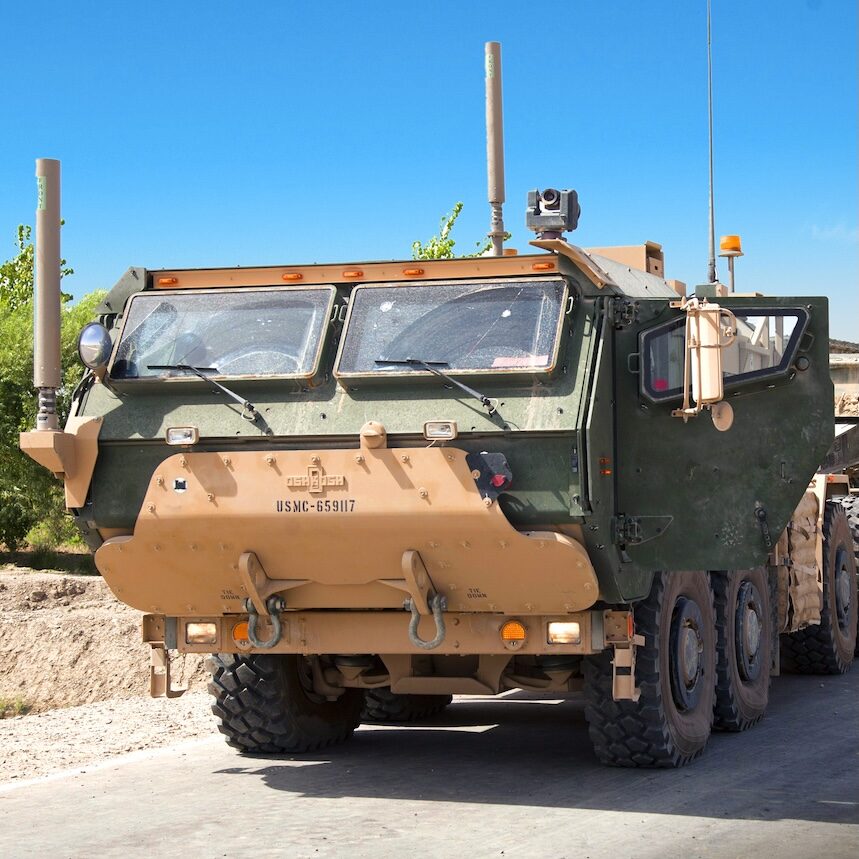
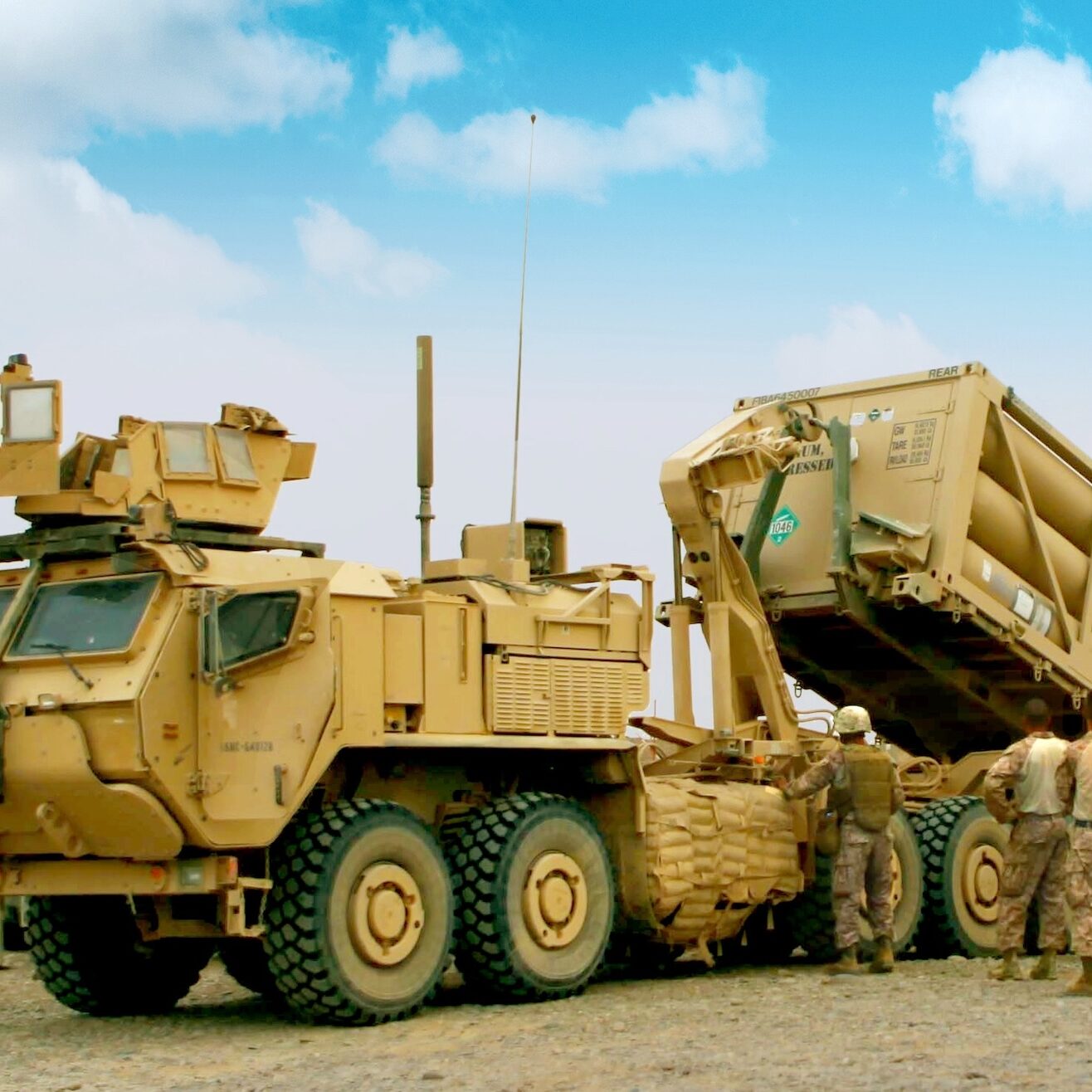
Protection for a broad range of platforms
Our fire suppression system integrates seamlessly with a wide range of military, commercial, and specialty vehicles operating in high-risk environments.
Operational benefits
Our system delivers measurable advantages that enhance safety, readiness, and overall mission performance. Engineered as an integrated part of the platform, each unit combines advanced materials, passive fire suppression technology and platform-specific design to strengthen crew protection and improve vehicle survivability in ways traditional systems cannot.
KEY BENEFITS:
- Enhanced crew survivability in ballistic and blast environments
By stopping ignition instantly, our fuel tank fire suppression system reduces the risk of secondary explosions and fire-related injuries, giving crews a greater chance of surviving high-threat encounters. Every system is engineered to integrate seamlessly with the vehicle, providing dependable protection without adding operational complexity. - Reduced likelihood of catastrophic fire events
The system disrupts the conditions required for sustained combustion, dramatically lowering the chance that a single round, fragment, or heat source will lead to a full-tank fire or explosion. - Vehicle continuation and recovery after penetration
By engineering the fire suppression system as part of the overall vehicle architecture, vehicles maintain structural integrity and can often continue operating long enough to complete the mission or safely return to base. - Increased maintenance safety during inspection or repair
Stabilizing fuel vapor and reducing ignition potential creates a safer environment for personnel performing fuel system inspections, repairs and depot-level maintenance. The passive, maintenance-friendly design supports long-term reliability while reducing lifecycle burden. - Extended fleet resilience in remote or austere operating locations
Engineered for dependable performance in demanding operational environments, our power-free, low-maintenance design provides continuous protection where resources are limited and immediate support may not be available.
Together, these advantages demonstrate the value of engineering protection as part of the complete operational system. By integrating advanced materials, passive fire suppression technology and platform-specific design, Aerial helps contain ignition events, protect crews, preserve critical assets and keep missions moving forward.
Mission-ready Integration
Whether integrating one of our passive fire suppression systems into a new platform or enhancing an existing capability, we work with you from concept through production to deliver solutions engineered for performance, reliability and seamless platform integration.
Our unique strategic approach ensures every system is optimized to support the mission and the people who depend on it.